 Myopia Charity
What Is Myopia Control?
Correcting vs. controlling
Correcting myopia means helping your child see clearly right now, which is what ordinary single vision glasses do. Controlling myopia means slowing the eye's growth so the nearsightedness does not get as bad. Most myopia control treatments do both at once: your child sees clearly while the treatment works in the background.
Why start early
Myopia can develop as young as age 3, and the younger your child, the faster their myopia gets worse. Treating as early as possible will reduce the risk of eye health issues in their lifetime, such as retinal detachment, myopic macular degeneration, glaucoma, and early cataracts.
Myopia can affect more than your eyes
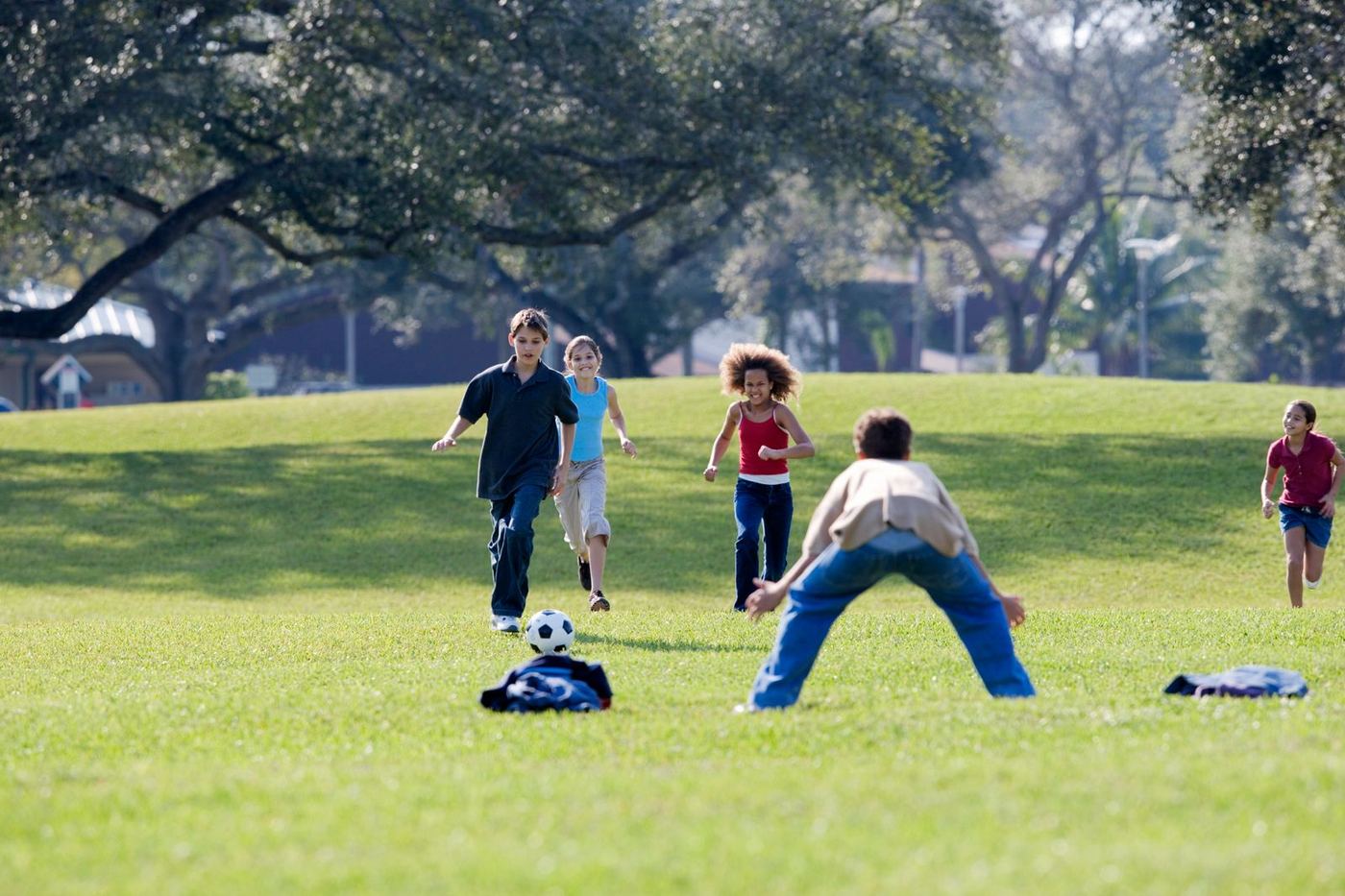
Myopia can affect your child's ability to perform well in school, sports, performing arts, and other activities that require clear vision. Controlling myopia progression will free them up to be at their best.
Treatments that slow myopia
Daily soft contact lens · FDA approved
MiSight® 1 day
MiSight® 1 day is a dual focus soft contact lens that was the first FDA-approved myopia control treatment to provide clear vision while simultaneously slowing the worsening of myopia. It was designed for young children and its safety and efficacy is supported by a 7-year study and hundreds of thousands of patients.
The center of the lens corrects distance vision so your child sees clearly, while rings around it change how light focuses in a way that signals the eye to slow its growth. A fresh pair goes in each morning and is thrown away at night, so there is no cleaning or storage.
- Worn
- During the day, a new pair every day
- Good fit for
- Active children who are ready to handle contact lenses with a parent's help

Eyeglass lens · FDA market authorized
Stellest Lenses
Stellest lenses were FDA market authorized to control myopia in September 2025. They utilize invisible little lenses mounted in glasses lenses to slow the progression of myopia. Their success in doing so depends on at least 10 hours a day of wear.
The center of each lens gives clear, everyday vision. Around it, rings of tiny lenslets send a slowing signal to the eye. To your child and everyone around them, they look and feel like regular glasses.
- Worn
- All day, at least 10 hours
- Good fit for
- Younger children, and children who are not ready for contact lenses
Soft contact lens · Used off-label
Soft Multifocal Contact Lenses
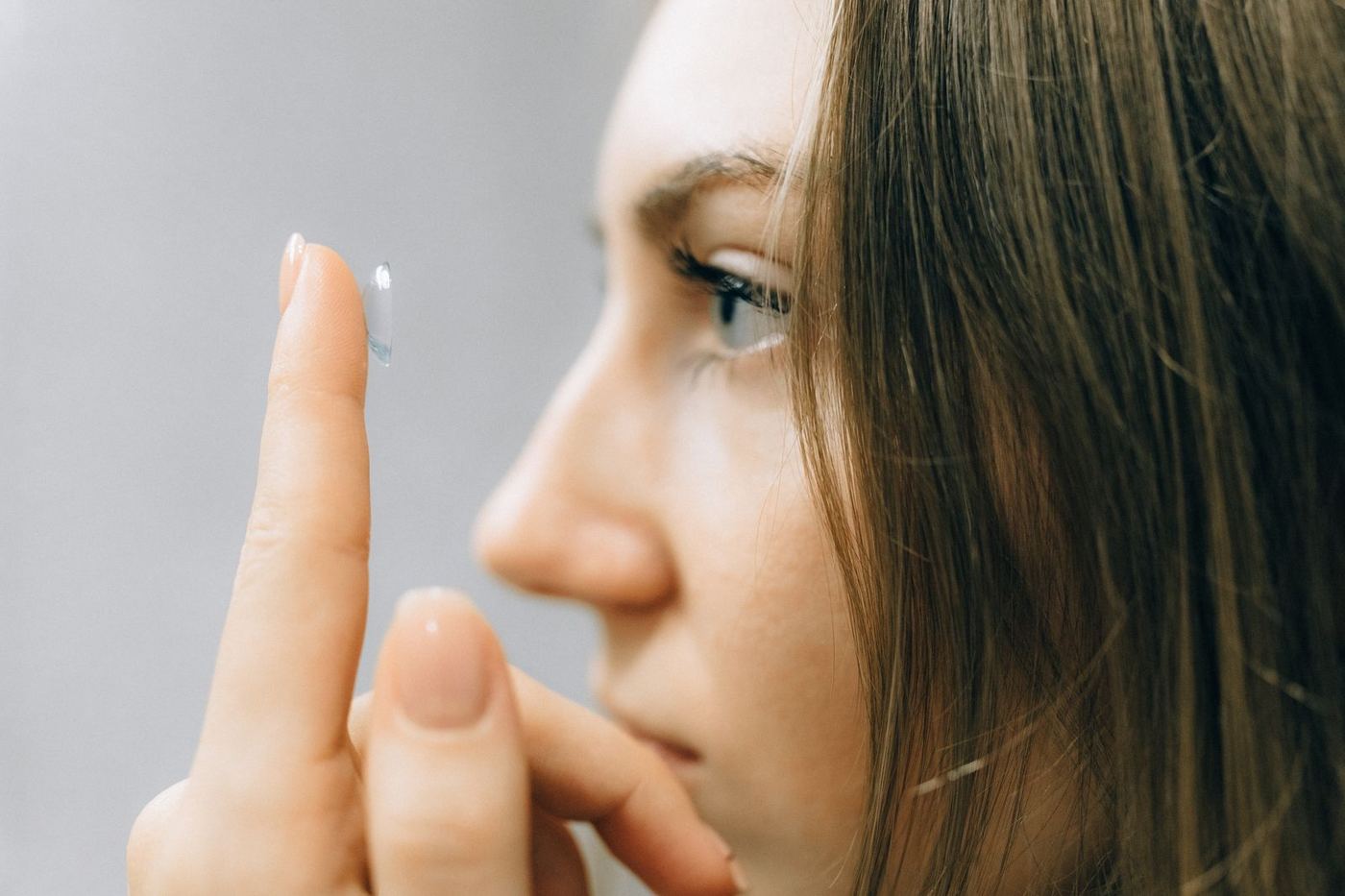
Soft multifocal contact lenses were originally designed to help adults see clearly at far away, mid-range, and close up, but studies have shown that they can help slow myopia progression in children as well.
For myopia control, eye doctors use center-distance designs, which keep distance vision clear in the middle of the lens and add extra focusing power toward the edge. Because they come in many prescriptions and replacement schedules, they can be an option when a child's prescription falls outside what dedicated myopia lenses cover.
- Worn
- During the day
- Good fit for
- Children and teens comfortable with contact lenses, including higher prescriptions
Overnight rigid contact lens
Orthokeratology (ortho-k) contact lenses
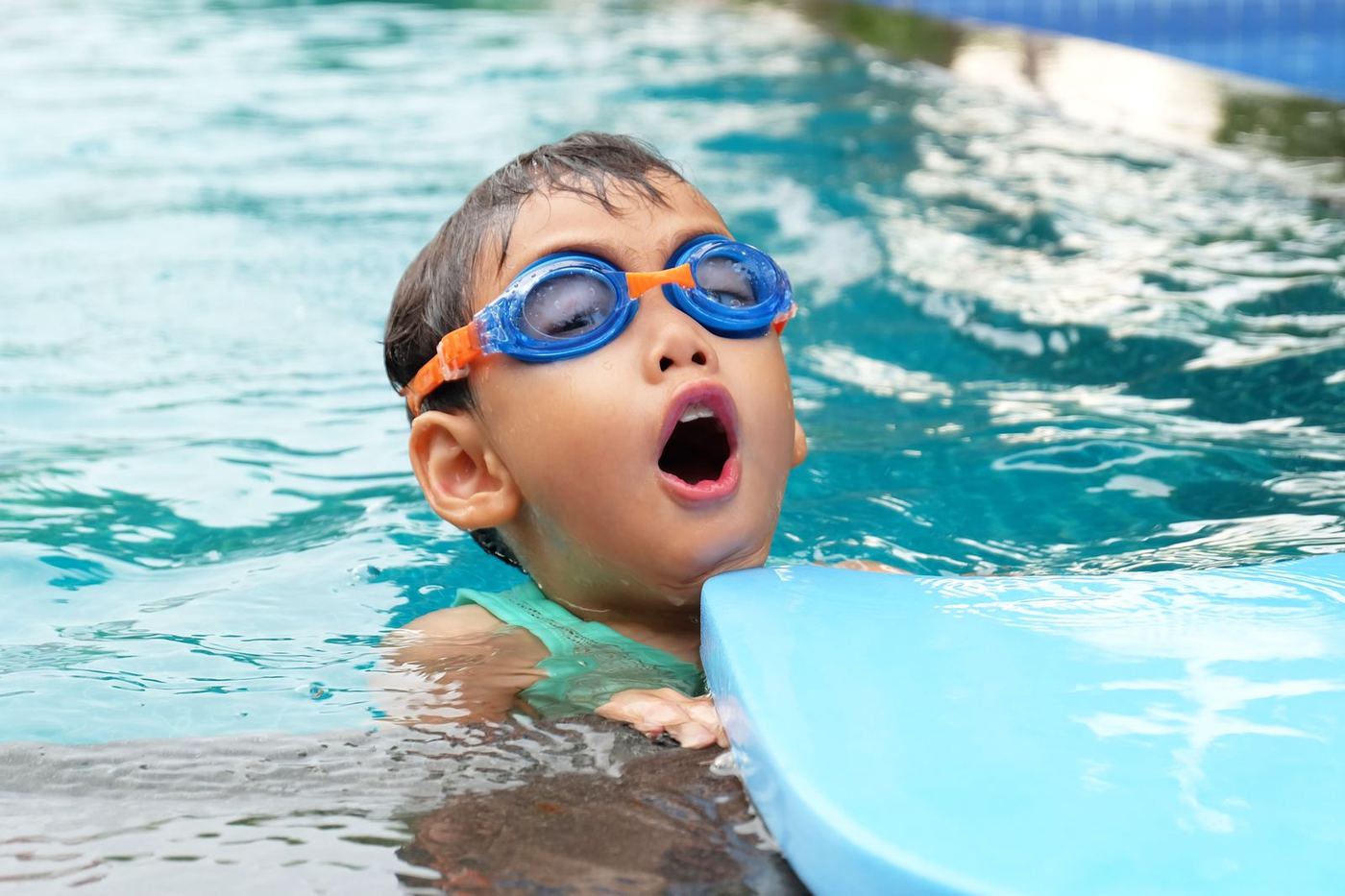
Orthokeratology (ortho-k) contact lenses temporarily reshape the cornea overnight. Upon removal in the morning, nearsightedness is corrected, delivering clear vision all day long. It is a great option for those that want freedom from daytime glasses and contact lenses, and especially swimmers and water polo players. These lenses must be worn each night to maintain clear vision.
Ortho-k lenses are custom-fitted rigid lenses. Because they are worn while sleeping, careful daily cleaning and handling is essential to keep the eyes healthy, and lenses should never be rinsed or stored in tap water.
- Worn
- Overnight while sleeping, removed in the morning
- Good fit for
- Swimmers, athletes, and families who want no glasses or lenses during the day
Prescription eye drop
Low-dose atropine eyedrops
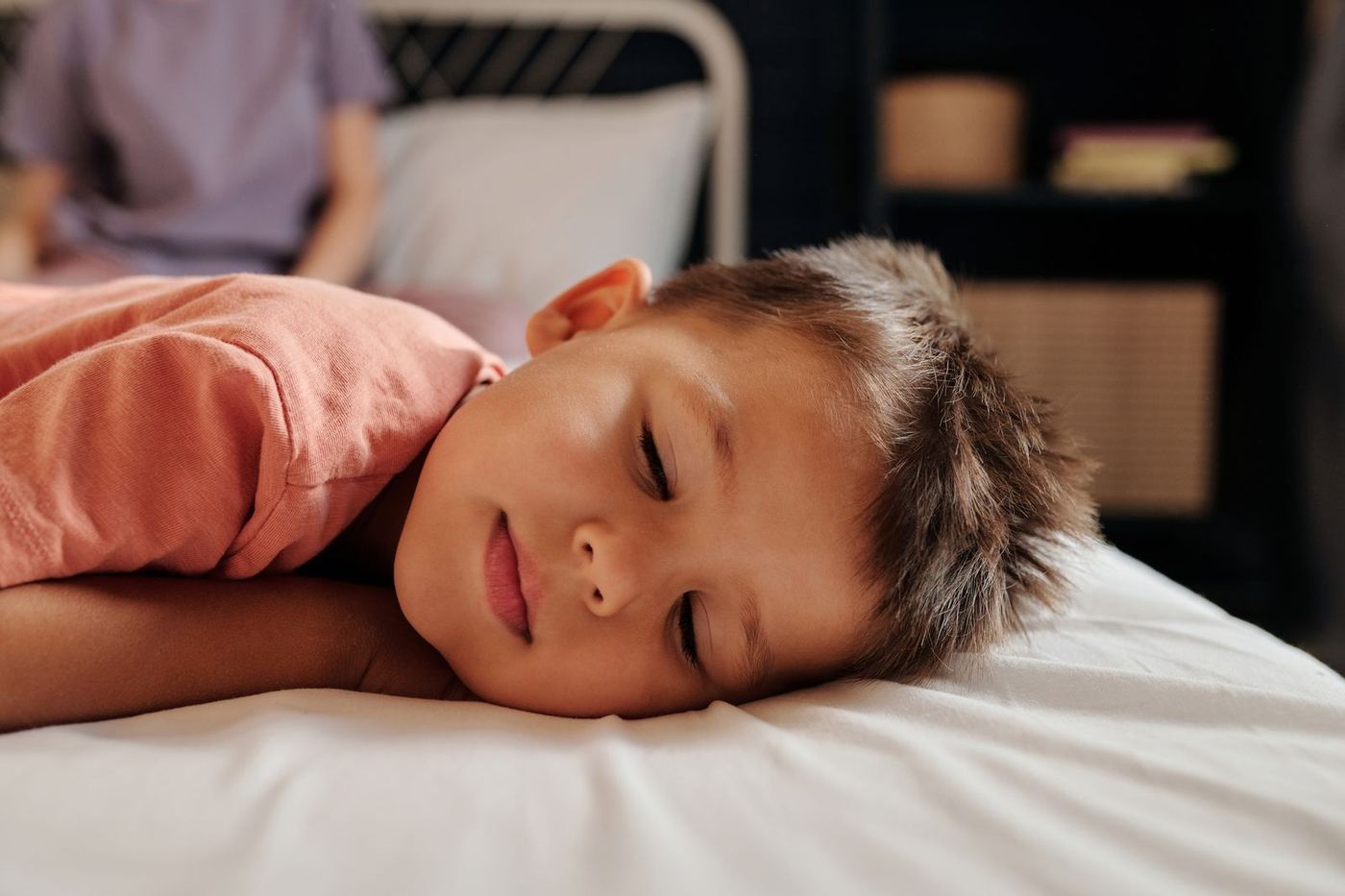
Low-dose atropine eyedrops are instilled each night to slow the growth of the eye. Side effects may include mild dilation of the pupils and a temporary reduction in the eye's focusing ability. They are currently sourced from compounding pharmacies and as such, may have variable performance.
Atropine drops do not correct vision, so children still wear glasses or contact lenses to see clearly. Your eye doctor may recommend them on their own or alongside one of the lens options above.
- Used
- Each night at bedtime
- Good fit for
- Children who need extra help, alone or combined with special lenses
Glasses that correct, but don't control
Single Vision Glasses
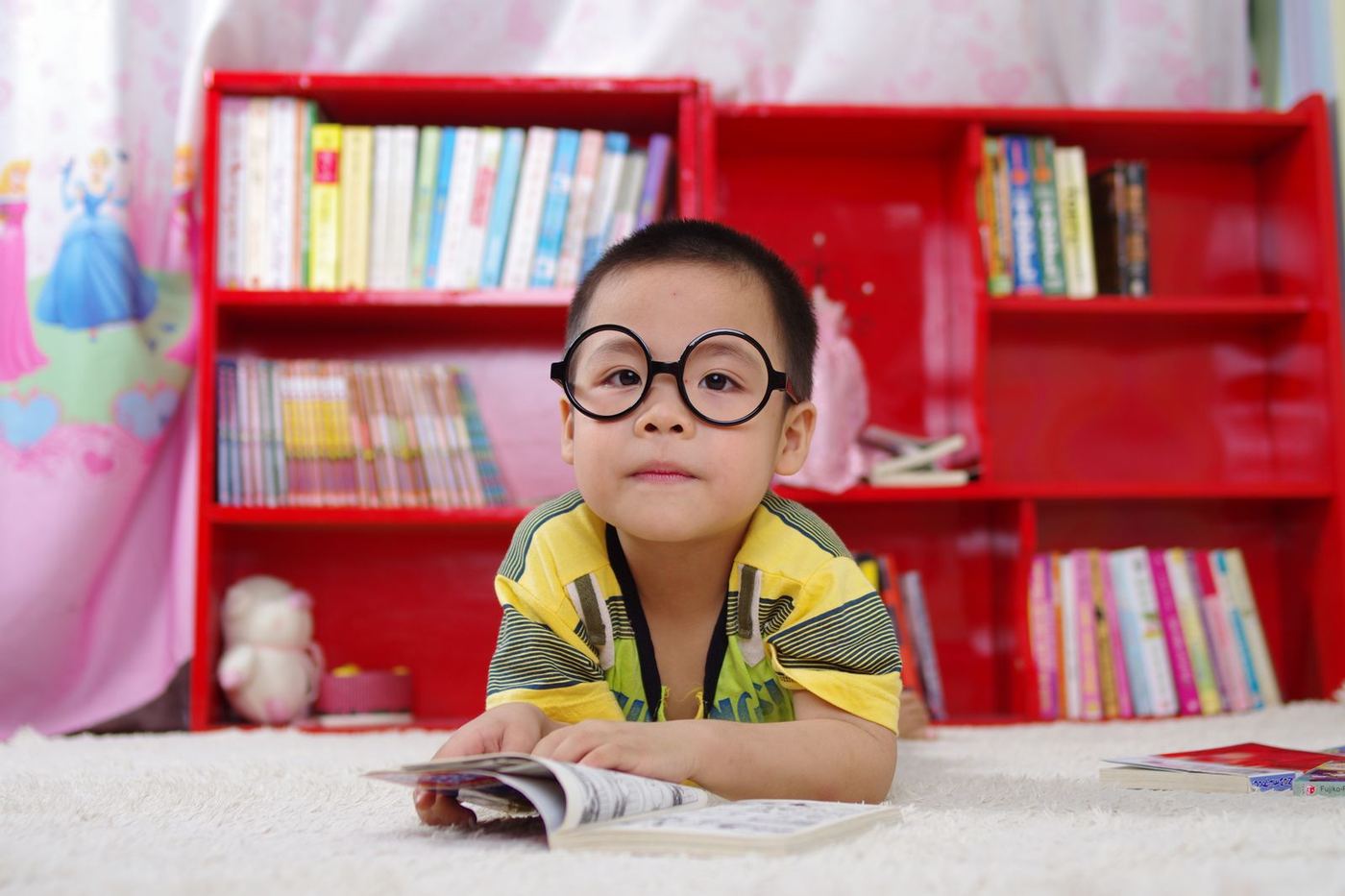
Single vision glasses provide clear vision for a period of time, but don't do anything to keep the nearsightedness from worsening.
Bifocals and Progressive Addition Lenses (PALs)
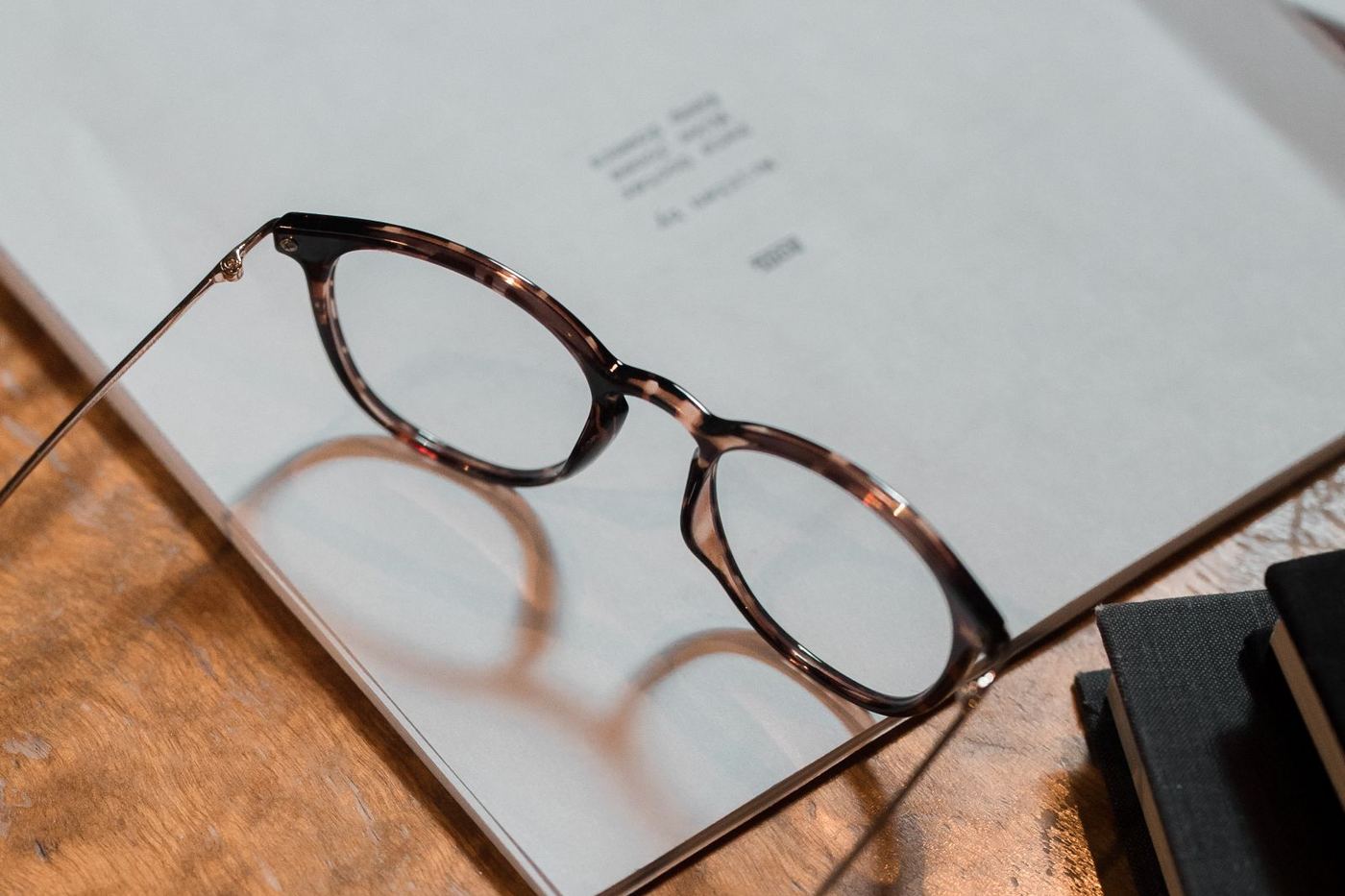
Bifocals and progressive addition lenses do not help slow myopia progression to any appreciable degree.